
Dry Needling for Athletes: What the Evidence Actually Shows
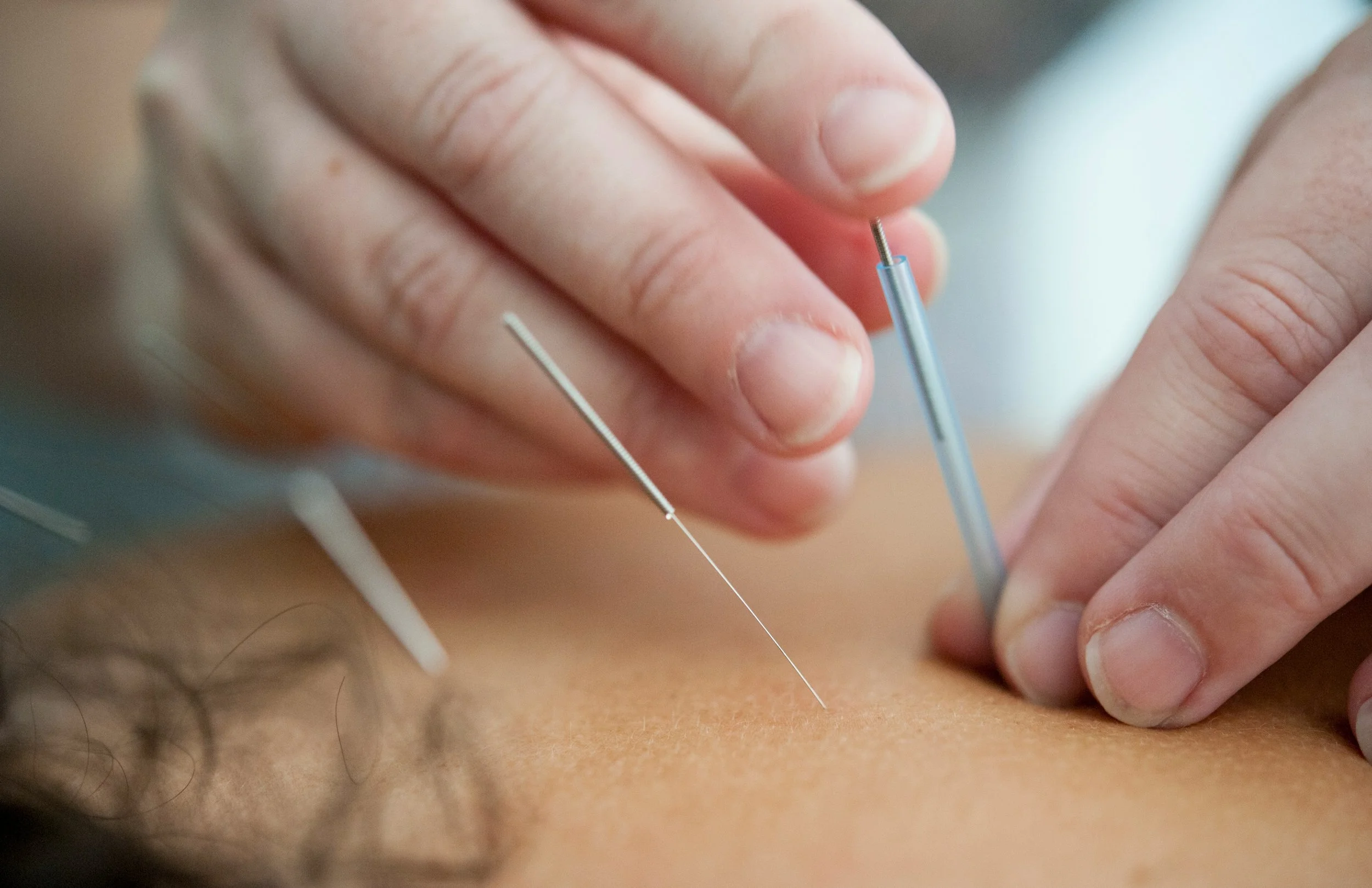
Dry needling has become a fixture in sports therapy clinics over the past decade — a thin filament needle inserted into tight, painful bands of muscle with the aim of reducing pain, releasing tension, and restoring movement. It's popular with athletes and widely offered by clinics. But popularity isn't the same as proof, and the evidence base is more nuanced than the enthusiasm around it suggests.
What Dry Needling Actually Does
Dry needling differs from acupuncture in its theoretical basis: rather than working on traditional meridian points, it targets specific myofascial trigger points — localized areas of muscle tightness that can refer pain elsewhere in the body. The working theory is that needle insertion disrupts the dysfunctional motor end plate, triggers a local twitch response, and improves local blood flow, which together ease pain and muscle tension.
Where the Evidence Is Strongest: Pain and Function
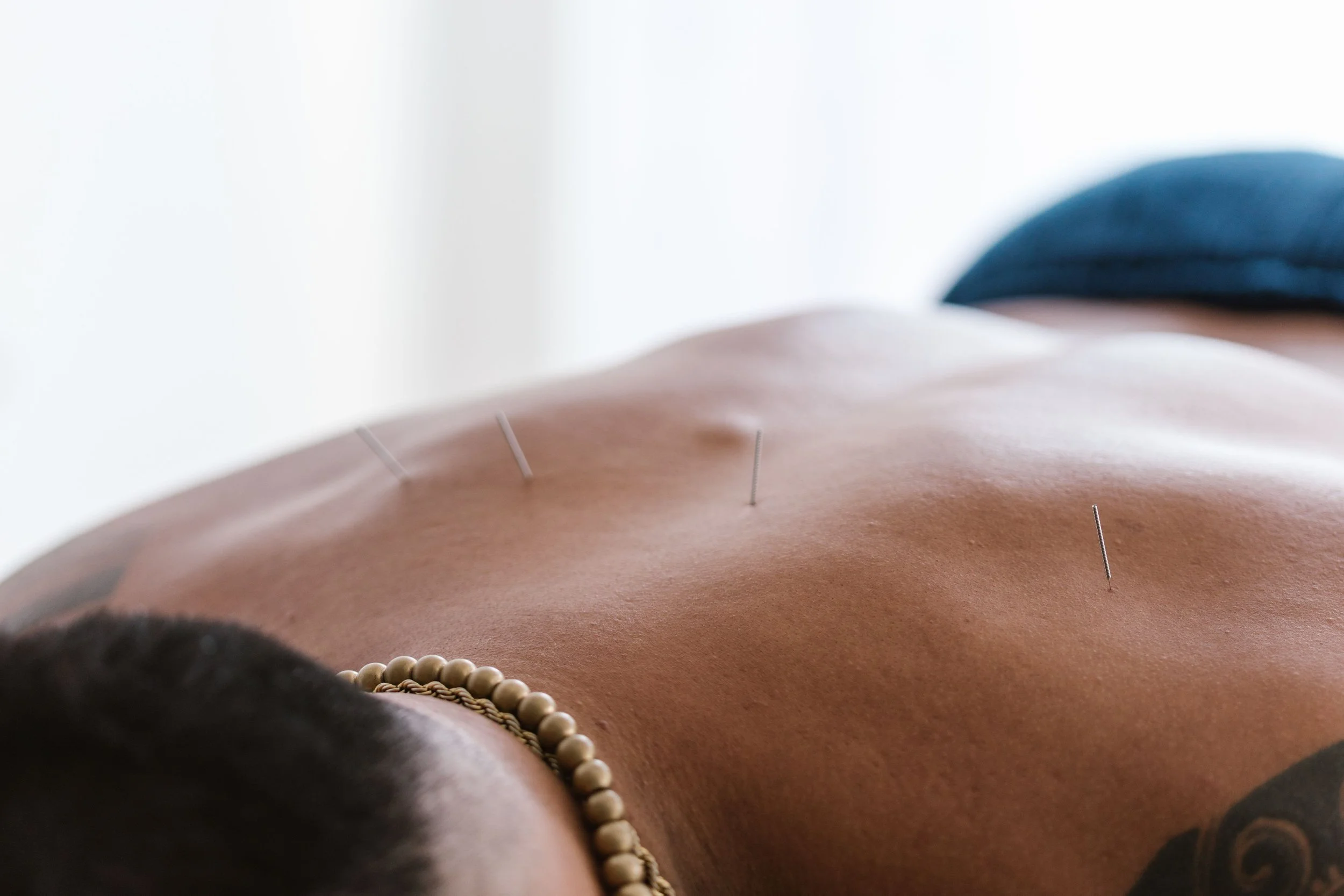
The best-supported use of dry needling is short-to-medium-term pain relief when combined with exercise-based rehabilitation, not used alone. A 2025 systematic review and meta-analysis of tendinopathies found dry needling plus exercise reduced pain significantly more than exercise alone, although the studies included showed high variability in results. Reviews specific to chronic neck pain and plantar fasciitis have found similar short- and mid-term improvements in pain and function when dry needling is used as part of a broader treatment plan.
A 2025 systematic review focused specifically on athletic populations — 24 studies, 580 athletes across 13 sports — concluded that dry needling generally appears effective and safe for reducing pain and muscle stiffness. That's a meaningfully positive signal, but the same review flagged an important gap: most studies involved developmental or sub-elite athletes, not world-class competitors, and long-term outcomes are still underexplored.
Where the Evidence Is Weaker: Performance and Strength
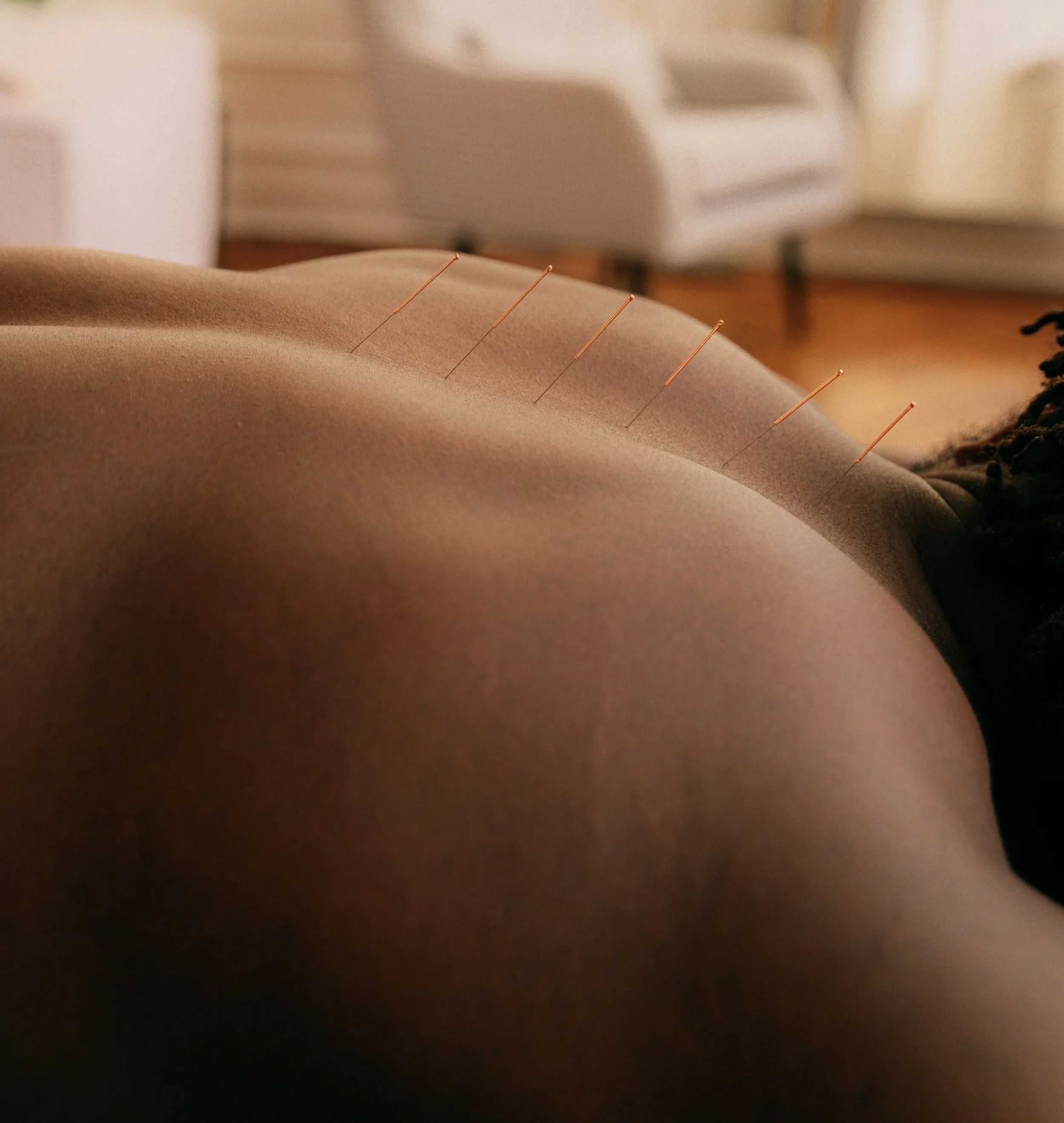
This is the area where athlete expectations often outpace the research. A dedicated systematic review and meta-analysis on needling and muscle force production concluded there's insufficient evidence to support dry needling as a tool for increasing strength — the majority of included studies found no measurable effect on force output. If a clinic or coach is framing dry needling as a performance enhancer, that claim isn't well supported.
Similarly, a 2026 review focused on recovery and neuromuscular readiness in athletes found inconsistent results across hemodynamic and inflammatory markers, with short follow-up periods that limit any real conclusion about next-session performance or injury-risk reduction. Dry needling may ease symptoms in the moment, but the case for it meaningfully speeding recovery or preventing injury isn't there yet.
Safety Profile
Dry needling is generally considered low-risk when performed by a trained, credentialed practitioner. Mild adverse events — soreness, minor bleeding, and bruising — are common, with reported rates ranging from roughly 8% up to around 19–36% of treatments, depending on the study. These effects are typically short-lived.
Serious complications are rare but not zero. Pneumothorax (a collapsed lung) is the most cited severe risk, specifically associated with needling around the thoracic region, upper trapezius, and levator scapulae — which is why reputable clinics avoid or take particular care with needling in these areas. Appropriate training and certification materially reduces this risk, which is a reasonable thing for an athlete to check before treatment.
The Practical Takeaway
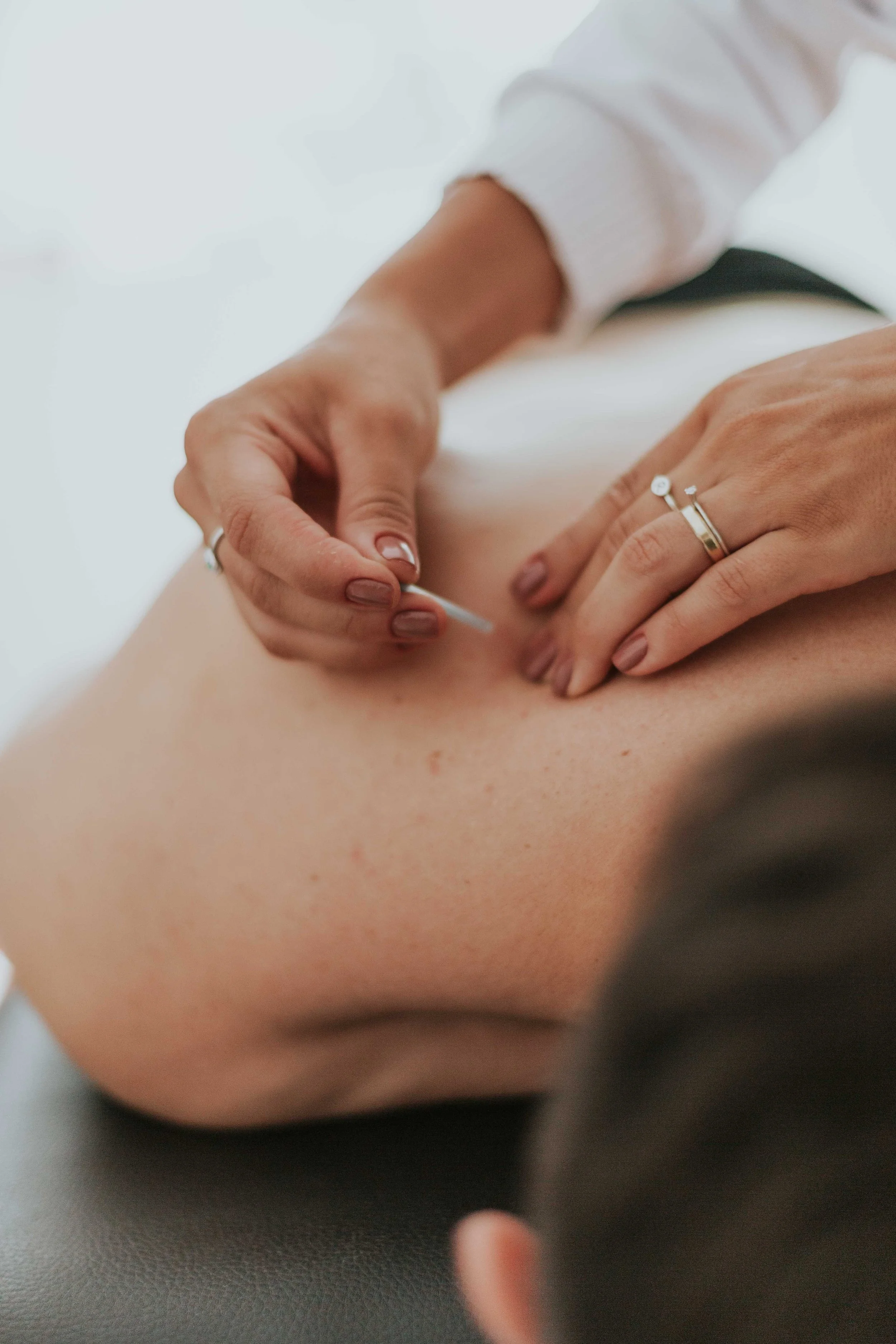
The honest summary of the current evidence is this: dry needling appears to be a reasonably safe, useful adjunct for managing pain and muscle tightness, particularly when paired with an active rehabilitation or strength program rather than used as a standalone fix. What it is not — at least not yet, based on quality research — is a proven tool for boosting strength, accelerating recovery, or preventing injury on its own. Athletes and clinicians alike are best served by treating it as one piece of a broader rehab plan, not a substitute for the loading and movement work that actually drives long-term resilience.
Ready to Try Dry Needling?
If pain, tightness, or stiffness is holding back your training, dry needling might be worth adding to your rehab plan — especially alongside the right exercise program. Book an appointment with Excelsior Sports Therapy today and let our team put together a treatment plan tailored to you.
References
Alrwaily, M., et al. (2025). Effectiveness of Dry Needling Combined With Exercise Versus Exercise Alone in Various Tendinopathies: A Systematic Review and Meta-Analysis. Cureus, DOI: 10.7759/cureus.92833.
Dry Needling in Sports and Sport Recovery: A Systematic Review with an Evidence Gap Map. (2025). PubMed/PMC, ID: 39928077.
Effects of dry needling on recovery, neuromuscular function, and injury outcomes in sports athletes: a systematic review targeting the neck and related regions. (2026). Frontiers in Public Health.
Effectiveness of Dry Needling in Improving Pain and Function in Comparison with Other Techniques in Patients with Chronic Neck Pain: A Systematic Review and Meta-Analysis. (2023). DOI: 10.1155/2023/1523834.
The effectiveness of dry needling for plantar fasciitis: a systematic review and meta-analysis. PMC, ID: PMC11688614.
Gattie, E., Cleland, J.A., & Snodgrass, S. (2017). The effectiveness of trigger point dry needling for musculoskeletal conditions by physical therapists: a systematic review and meta-analysis. Journal of Orthopaedic & Sports Physical Therapy.
The Effects of Needling Therapies on Muscle Force Production: A Systematic Review and Meta-analysis. (2019). JOSPT, DOI: 10.2519/jospt.2019.8270.
Gilmartin, S. (2018). Dry needling: A critical commentary of its effectiveness and safety profile.
Adverse Reactions to Dry Needling Therapy: Insights from Polish Physiotherapy Practice. PMC, ID: PMC11642314.
Patient-Perceived Benefits and Adverse Events of Dry Needling. PMC, ID: PMC12404588.
Current State of Dry Needling Practices: A Comprehensive Analysis on Use, Training, and Safety. PMC, ID: PMC11596814.
Dry Needling in Physical Therapy Practice: Adverse Events.